
Residential vs. Commercial Paving: Understanding the Differences in Ontario


Introduction to Paving in Ontario
In Ontario, paving is a crucial aspect of both residential and commercial properties. Whether you're considering a new driveway for your home or a parking lot for your business, understanding the differences between residential and commercial paving is essential. Each type comes with its unique requirements and considerations.

Materials Used in Paving
Residential Paving Materials
For residential paving, materials like asphalt and concrete are commonly used. Asphalt is popular for its cost-effectiveness and ease of installation, while concrete offers durability and a clean appearance. Homeowners often choose based on aesthetics, budget, and the climate conditions in Ontario.
Commercial Paving Materials
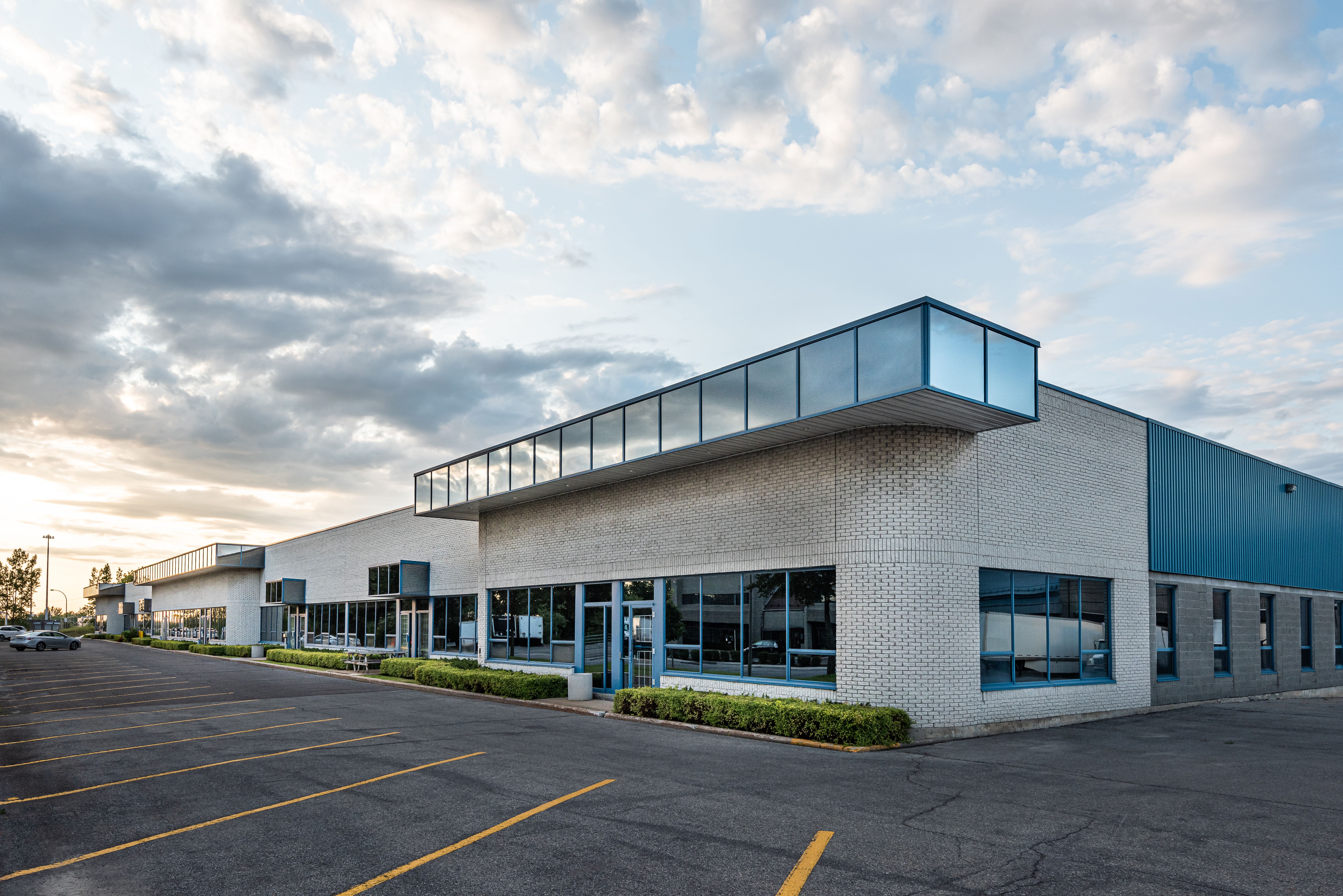
Commercial paving projects typically demand more robust materials due to heavier traffic and larger surface areas. Options include reinforced concrete and industrial-grade asphalt. These materials ensure that parking lots and pathways can withstand the wear and tear of constant use.
Design and Aesthetics
Residential Design Considerations
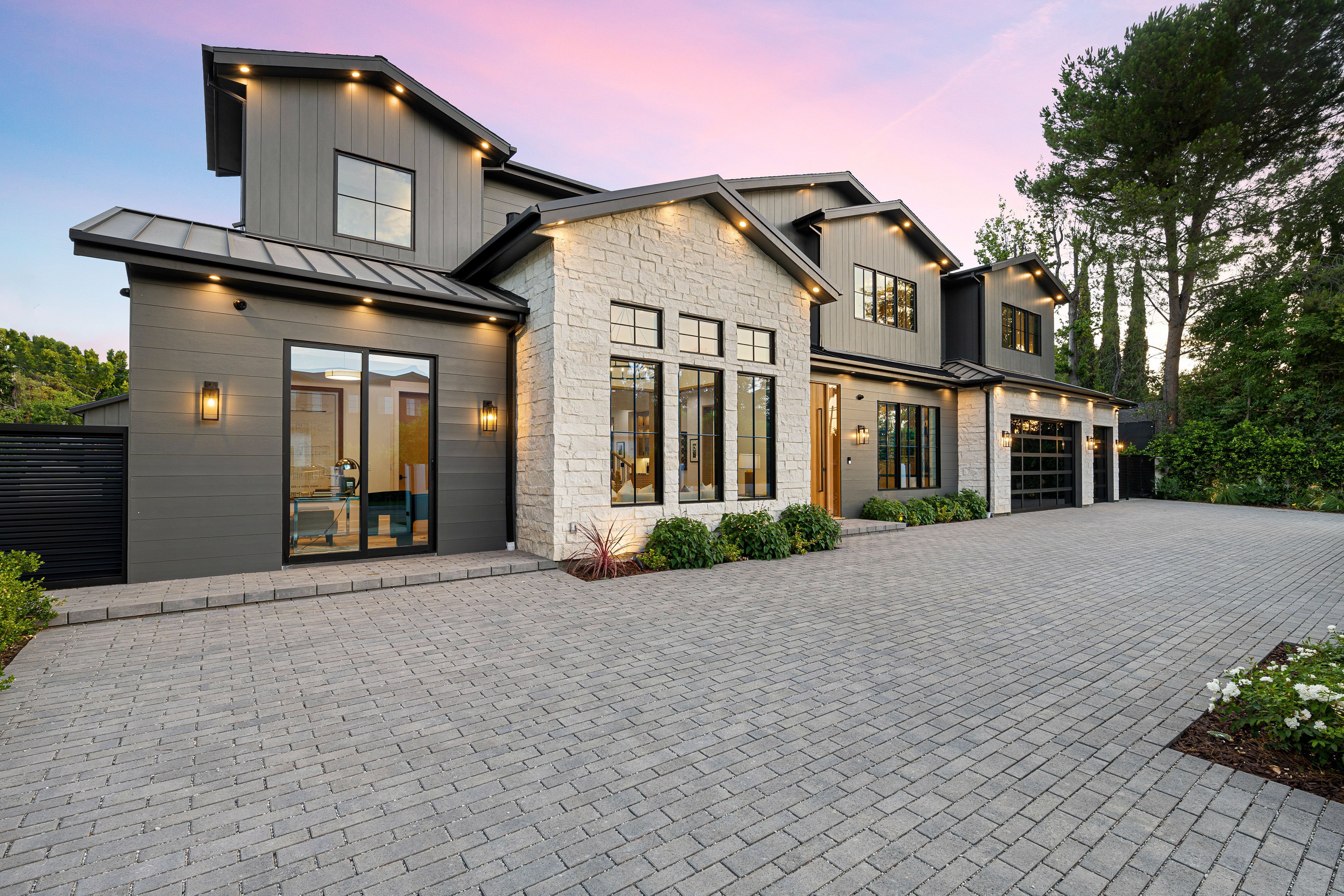
When paving residential areas, aesthetics play a significant role. Homeowners often desire a design that complements their property. Options like stamped concrete or colored asphalt can enhance curb appeal. Additionally, residential paving often includes decorative elements such as borders or custom patterns.
Commercial Design Needs
In contrast, commercial paving focuses on functionality and safety. The design must accommodate large volumes of traffic and ensure easy navigation. Features like clear signage, proper drainage, and well-marked pedestrian pathways are critical for commercial projects.
Regulations and Permits
Both residential and commercial paving projects in Ontario require adherence to specific regulations and permits. Residential projects may have fewer restrictions, but it's essential to check local bylaws and property codes. For commercial projects, the requirements are often more stringent, involving environmental assessments and zoning approvals.
Cost Considerations
Cost is a major factor in any paving project. Residential paving tends to be less expensive due to smaller areas and simpler designs. In contrast, commercial paving requires more investment due to the larger scale and the need for durable materials. It's important to budget for both initial installation and ongoing maintenance.

Maintenance and Longevity
Maintaining Residential Paving
Residential paving maintenance involves regular cleaning, sealing, and occasionally repairing cracks. These steps are crucial for extending the lifespan of the driveway or patio. Proper maintenance ensures that the surface remains safe and visually appealing.
Commercial Paving Maintenance
Commercial paving requires more rigorous maintenance schedules. Regular inspections, resurfacing, and repairs are necessary to handle the high traffic and prevent potential liabilities. Investing in quality maintenance can significantly extend the life of a commercial pavement.
Conclusion
Understanding the differences between residential and commercial paving in Ontario is vital for making informed decisions. By considering the unique requirements of each type, property owners can choose the best materials, designs, and maintenance plans to suit their needs. Whether for a home or a business, proper paving enhances functionality, safety, and aesthetics.