
Understanding Paving Regulations in Ontario: A Homeowner's Guide


When planning to pave your driveway or any other part of your property in Ontario, it's essential to understand the local regulations. These rules are designed to ensure safety, environmental protection, and community aesthetics. This guide will help you navigate the complexities of paving regulations in Ontario, ensuring your project goes smoothly and legally.

Why Paving Regulations Matter
Paving regulations in Ontario are in place to maintain public safety and infrastructure integrity. They help manage stormwater runoff, prevent damage to public roads, and ensure that new developments are in harmony with the neighborhood’s character. Understanding these regulations can also save homeowners from potential fines and costly modifications.
Environmental Considerations
One of the primary concerns of paving regulations is environmental impact. Paved surfaces can increase stormwater runoff, leading to flooding and pollution. Ontario's regulations often require the use of permeable paving materials or the installation of proper drainage systems to mitigate these effects.
Key Regulations to Know
Before starting your paving project, be aware of the following key regulations:
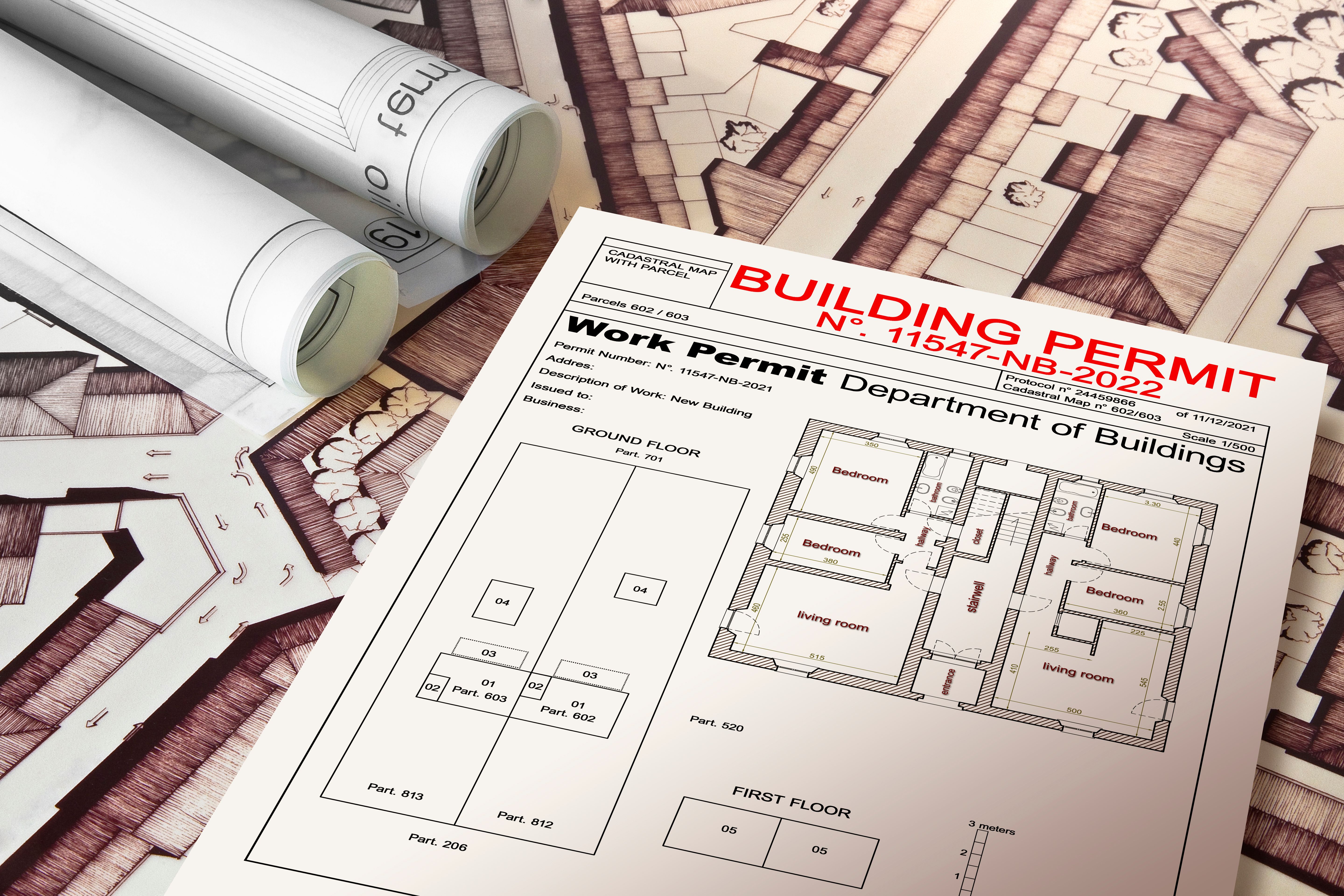
- Permits: Most municipalities in Ontario require a permit for paving projects. Check with your local city or town office to find specific requirements.
- Setback Requirements: There are often rules about how close you can pave to property lines, sidewalks, and streets.
- Material Restrictions: Some areas have restrictions on the types of materials you can use, especially in environmentally sensitive zones.
Steps to Compliance
To ensure your paving project complies with Ontario regulations, follow these steps:
- Research local bylaws and codes related to paving.
- Consult with a professional contractor familiar with local regulations.
- Apply for necessary permits and await approval before beginning work.
Choosing the Right Contractor
Hiring a knowledgeable and experienced contractor can make a significant difference. A good contractor will help you navigate the regulations and ensure that your project complies with all local laws. Look for contractors with experience in your municipality and check their references and previous work.

Common Mistakes to Avoid
Homeowners often make mistakes that lead to delays and additional costs. Some common pitfalls include:
- Failing to check local regulations before starting
- Ignoring environmental considerations
- Not obtaining the necessary permits
Conclusion
Understanding paving regulations in Ontario is crucial for any homeowner planning a paving project. By familiarizing yourself with the rules, securing the necessary permits, and hiring the right contractor, you can ensure that your project is completed smoothly and in compliance with all local laws. This not only protects your investment but also contributes to the safety and sustainability of your community.