
Understanding Roadway Paving in Kawartha Lakes: A Comprehensive Overview


When it comes to maintaining and improving transportation infrastructure, roadway paving is a critical component. In Kawartha Lakes, understanding the intricacies of this process can provide valuable insights into how our roads are built and maintained. This comprehensive overview will explore the key aspects of roadway paving, from materials to methods and maintenance.
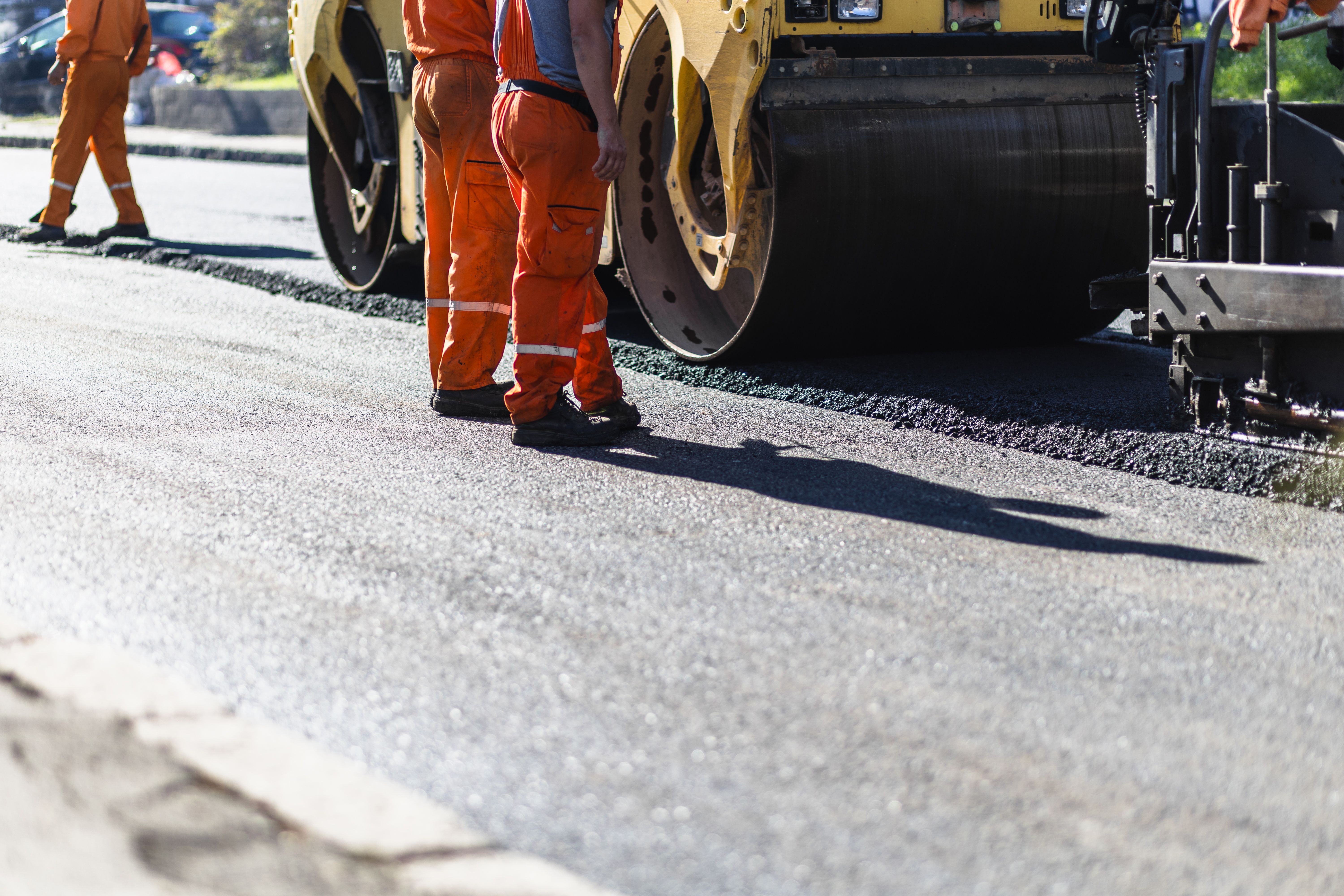
The Importance of Roadway Paving
Roadway paving is essential for ensuring safe and efficient travel. Well-paved roads reduce vehicle wear and tear, improve fuel efficiency, and enhance overall driving comfort. In Kawartha Lakes, where tourism and local commerce rely heavily on transportation, maintaining high-quality roads is vital.
Economic Impact
Investing in roadway paving not only benefits drivers but also boosts the local economy. Improved roads attract more visitors, facilitate trade, and provide better access to businesses. This, in turn, can lead to job creation and increased economic activity.
Environmental Considerations
Modern paving practices in Kawartha Lakes are increasingly focused on sustainability. Using eco-friendly materials and methods helps reduce the environmental impact. Additionally, proper drainage systems are integrated to manage stormwater effectively, minimizing erosion and water pollution.

Materials Used in Roadway Paving
Various materials are used in roadway paving, each offering unique benefits. The most common materials include:
- Asphalt: Known for its durability and cost-effectiveness, asphalt is widely used for paving roads.
- Concrete: Although more expensive, concrete provides a long-lasting and low-maintenance surface.
- Recycled Materials: Incorporating recycled asphalt or concrete reduces waste and promotes sustainability.
Choosing the Right Material
The choice of material depends on factors like traffic volume, budget constraints, and environmental conditions. Engineers must assess these variables to determine the most suitable option for each project.
Steps in the Roadway Paving Process
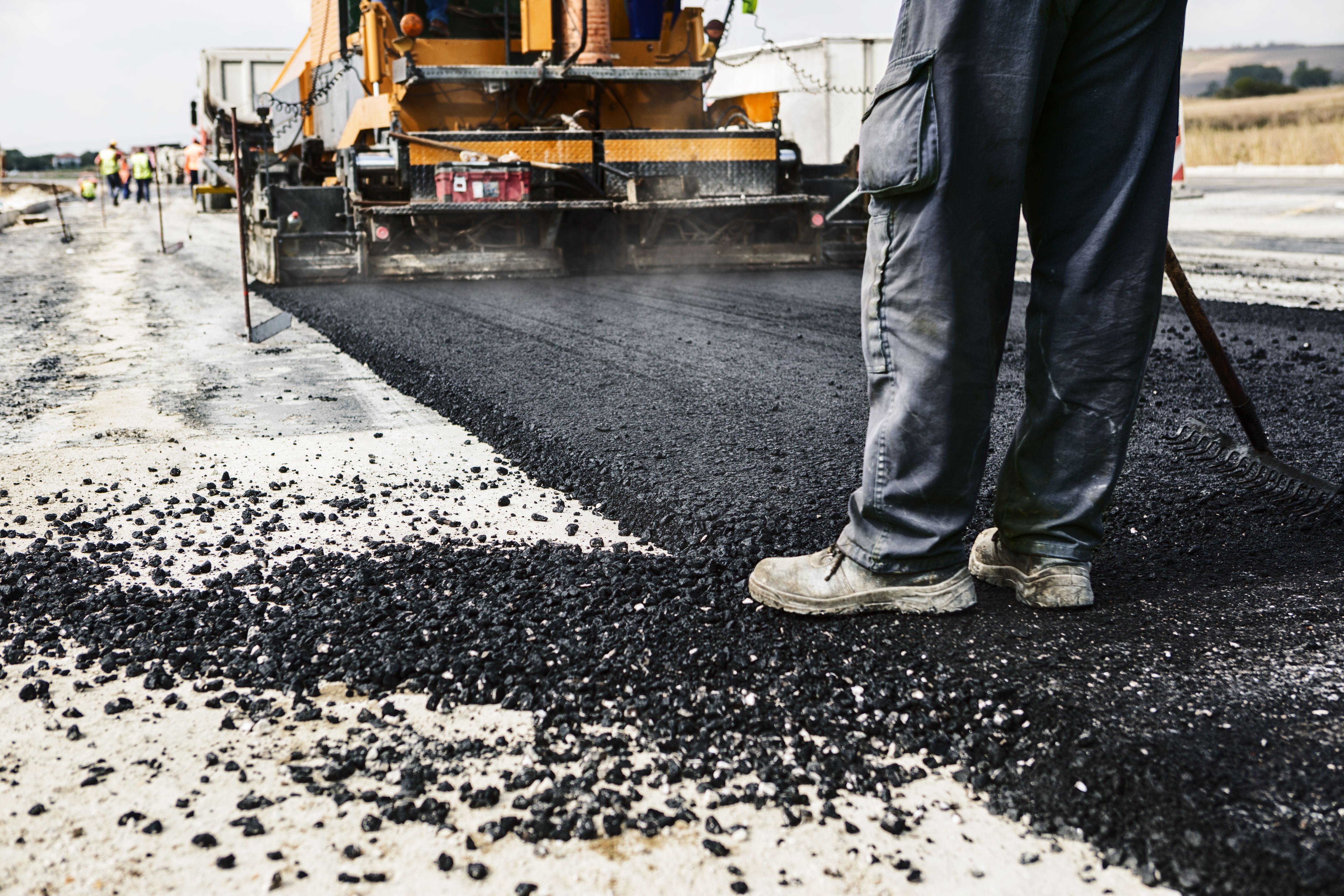
Roadway paving involves several key steps to ensure a smooth and durable surface. The process typically includes:
- Planning and Design: Initial assessments and design plans are created based on the area's needs.
- Site Preparation: Clearing and grading the area to provide a stable foundation.
- Base Layer Installation: Adding a base layer of gravel or crushed stone for support.
- Paving Surface Layer: Applying asphalt or concrete to create the final road surface.
- Finishing and Inspection: Ensuring the surface meets quality standards and making necessary adjustments.
Challenges and Solutions
Weather conditions, traffic disruptions, and unexpected underground utilities can pose challenges during paving projects. Advanced planning and the use of modern technology help mitigate these issues, ensuring timely and efficient completion.
Understanding roadway paving in Kawartha Lakes involves recognizing the importance of quality materials, sustainable practices, and efficient processes. By investing in well-maintained roads, the community can enjoy safer travel, economic growth, and environmental benefits. As infrastructure continues to evolve, staying informed about these developments is crucial for residents and businesses alike.